
August 9, 2024
The Complete Guide to Building a LinkedIn Strategy in 2026
Learn how to build an effective LinkedIn strategy for 2026: profile optimization, content creation, and B2B lead generation.
August 9, 2024
Learn how to build an effective LinkedIn strategy for 2026: profile optimization, content creation, and B2B lead generation.
LinkedIn is THE go-to arena for B2B. Millions of professionals, companies, and prospects connect there every day — but let's be clear: simply being present is no longer enough. With fierce competition and increasingly demanding audiences, you need a real content strategy to stand out.
In this guide, we share everything you need to know to succeed with your LinkedIn marketing strategy in 2026: how to create posts that land, build an effective brand presence, and turn your efforts into concrete results. Whether you're a marketer, entrepreneur, or business leader, this action plan is tailored to help you reach your target audience and potential customers. 🚀
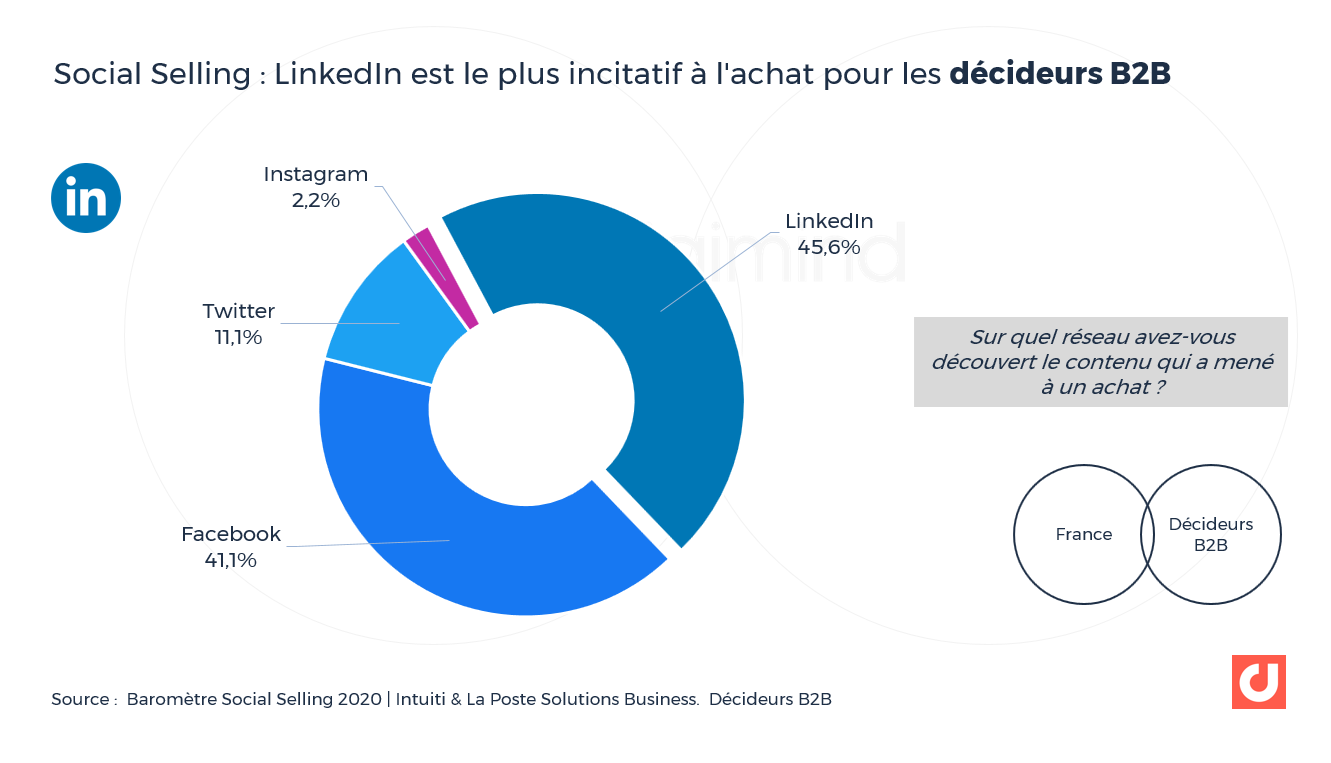
*Source: https://blog.digimind.com/fr/tendances/linkedin-chiffres-incontournables-france-et-monde*
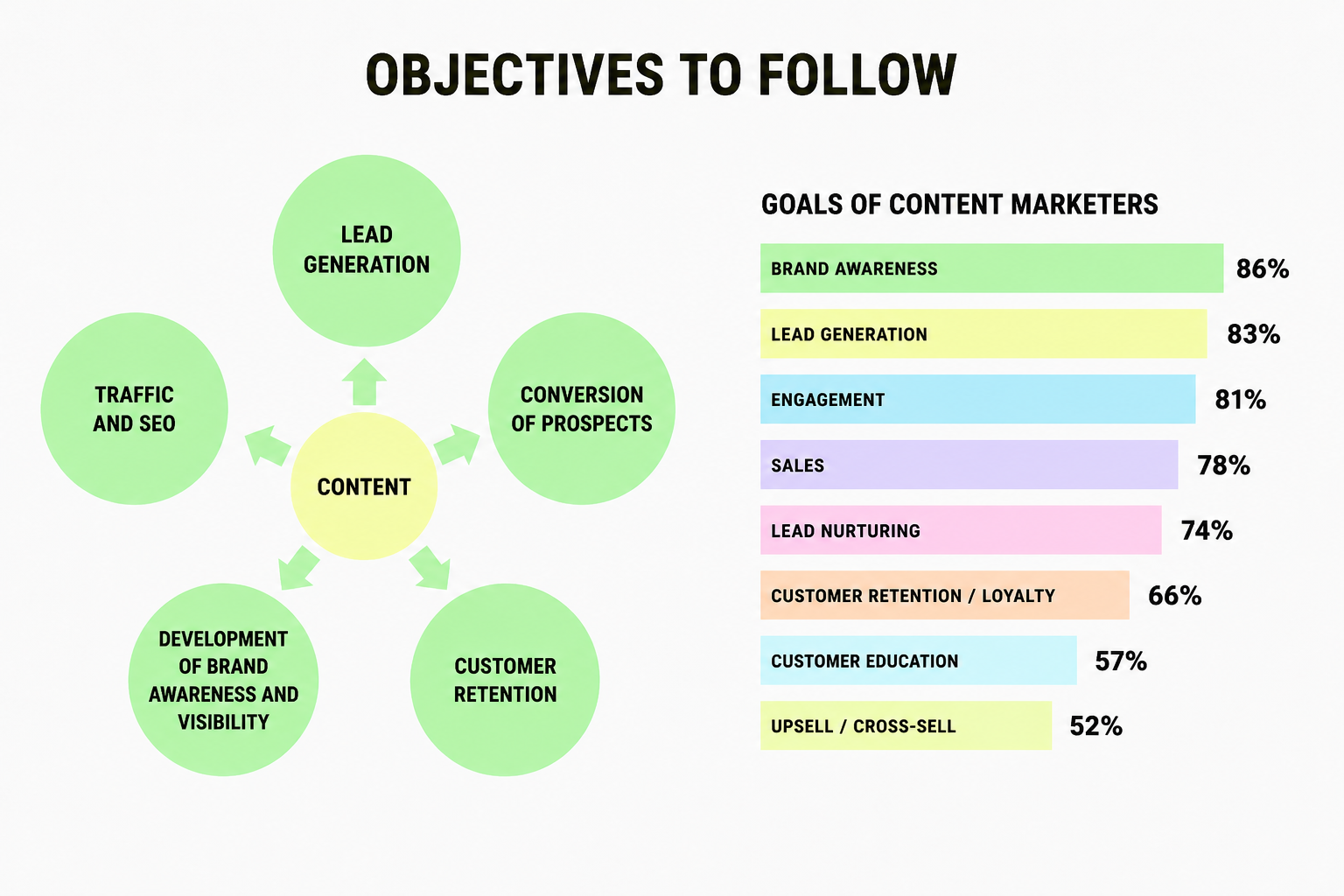
Defining your objective on LinkedIn is simple: ask yourself what you want to accomplish on the platform. Are you looking to:
Your objective must be clear, measurable, and aligned with your digital marketing strategy. Once set, it becomes the compass guiding all your posts on the platform.
On LinkedIn, individual profiles outperform company pages. Why? Because LinkedIn favors human interaction. Posts signed by individuals generate:
Who should be speaking?
How to choose your spokespeople?
By leveraging well-chosen individual profiles, you maximize your chances of reaching the right people, gaining visibility, and strengthening your brand image authentically.
To succeed on LinkedIn, you first need to know who you're talking to and how to reach the right prospects. The better you understand your target audience, the more effectively you can create campaigns and content that engages them.
Create personas
Analyze sectors and niches
Tools to better understand your audience:
For your LinkedIn strategy to hit the mark, start with precise objectives and rigorous tracking of your key performance indicators (KPIs). With the right tools and an active social media presence, you can turn your posts into real marketing assets.
Before publishing, determine what you want to achieve. Your objectives guide your strategy, and your KPIs measure your progress.
Awareness objectives
The goal here is to get noticed — make your brand, services, or expertise unmissable to your target audience.
Example: a tech company wants to reach 50,000 organic views per month to strengthen its sector presence.
Once you're visible, it's time to get serious: generate qualified leads or attract potential customers. Track these KPIs:
Example: a SaaS startup wants to generate 200 qualified prospects per month through well-targeted LinkedIn Ads campaigns.
Quick tips for choosing your KPIs:
Not all formats perform equally or generate the same engagement level. Identify the ones that truly capture your audience's attention.
What to analyze:
Tip? Dive into LinkedIn stats to compare results by format. Spot those generating the most interactions, clicks, or shares.
The key to success on LinkedIn is continuous experimentation and refinement.
A/B tests:
Adapt your topics:
To shine on LinkedIn, your content must be relevant, engaging, and well-crafted. Here's how to nail it and manage your posts like a pro.
Varying formats is key to maintaining attention and reaching your entire audience.
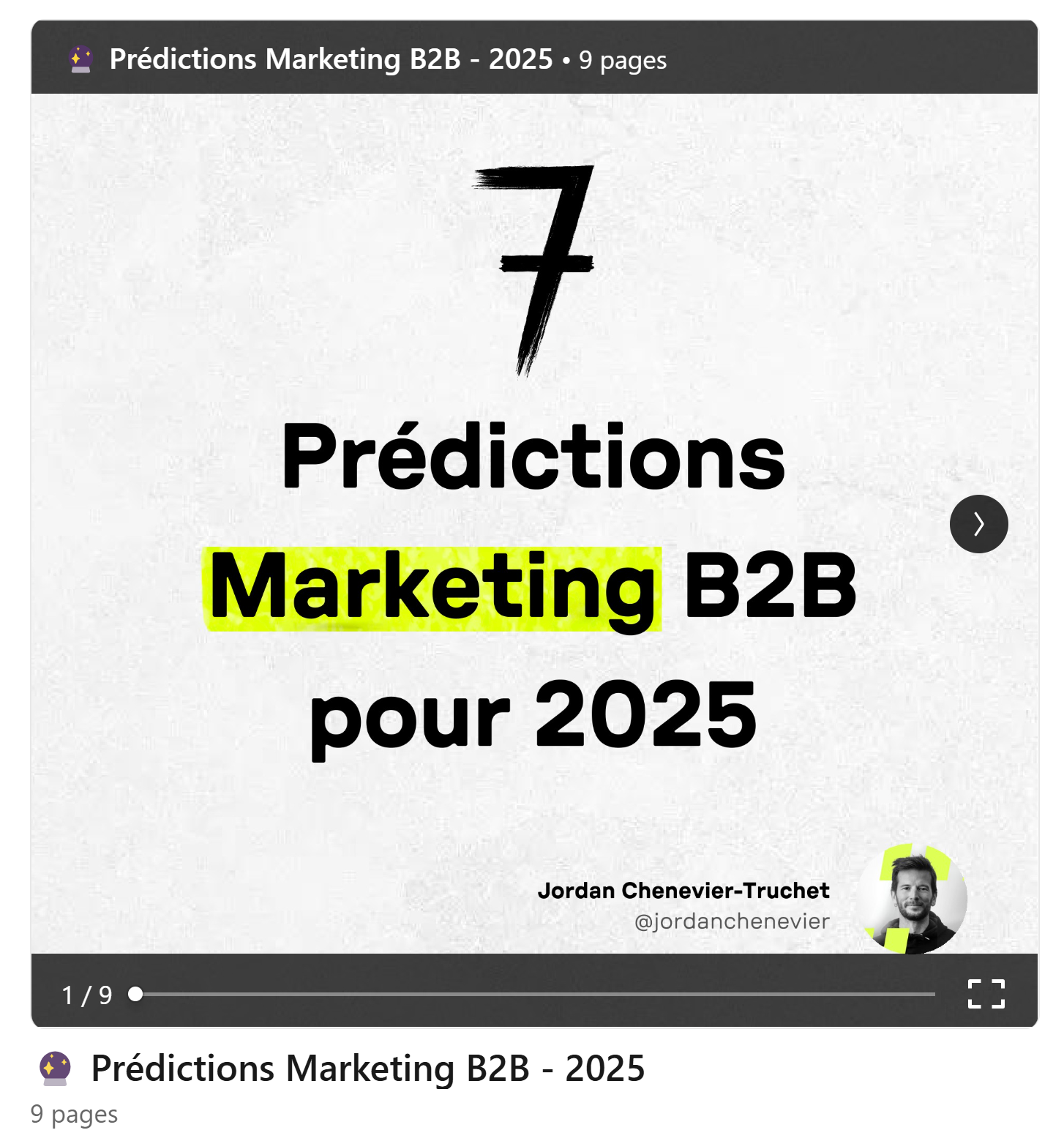
*Source: https://www.linkedin.com/in/jordanchenevier/*
Formats that work:
Ideal length:
A picture is worth a thousand words.
Why invest in visuals?
Tips for flawless visuals:
Well-used hashtags and CTAs turn your posts into engagement magnets.
Relevant hashtags: 3 to 5 maximum. Mix niche and broad hashtags to balance reach.
CTAs that drive action:
Drawing from past successes helps you replicate what performs.
LinkedIn hit examples:
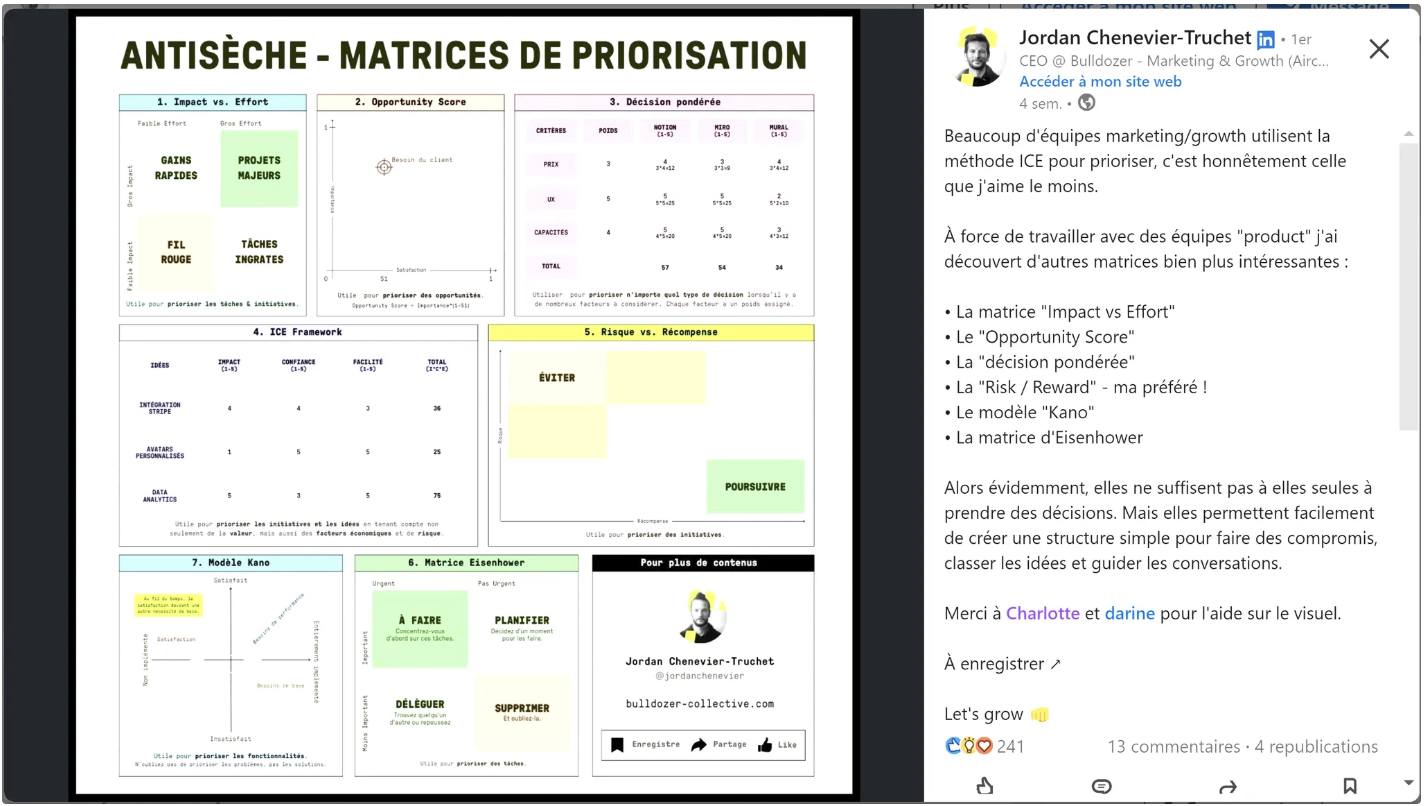
On LinkedIn, consistency in your posts is essential to maximize your visibility and strengthen your presence on the platform. No winning strategy without a solid editorial calendar. Here's how to structure yours for maximum impact.
A calendar is your compass for knowing what to publish, when, and why. Here's how:
Example:
Tips for better planning:
On LinkedIn, consistency is key to staying on your audience's radar. But timing matters too!
How many posts? Ideally 3 to 5 per week to keep the pace without overwhelming your followers.
When to post?
On LinkedIn, engagement is what turns a simple post into a real conversation. By interacting with your audience, you build credibility and lasting relationships.
Comments on your posts are a goldmine for direct dialogue with your audience.
Why responding quickly matters:
Tips to encourage discussion:
On LinkedIn, posting isn't enough. You also need to see what's happening elsewhere and participate actively:
Nothing like a good open-ended question to spark discussions on your posts. Why does it work? People love sharing their opinion or experience. Result: more comments and better reach for your content.
"And you — what's your strategy with [a tool of your choice] to boost your results?"
LinkedIn messaging is the perfect place for personalized exchanges and deeper conversations.
How to respond with impact?
Example: A prospect reaches out? Respond with enthusiasm: "Thanks for your message! Here's a slot to chat in more detail."
By actively engaging your audience — in comments, discussions, and private messages — you build an authentic and professional LinkedIn presence. This lets you transform interactions into collaboration or conversion opportunities.
[rta-block=folder-cta][rta-title=h3]Want to learn more about your content potential?[rta-title=h3][rta-btn=regular href="/prendre-rendez-vous-typeform" target=_blank]Get a free audit[rta-btn=regular][rta-block=folder-cta]
An effective marketing strategy on LinkedIn relies on relevant content and good management of your network. Here are the mistakes that hold back your performance and how to avoid them.
An incomplete profile or page reduces your impact on the platform.
✅ Optimize:
Incoherent posts dilute your message and lose your target audience.
✅ Structure your content:
Not interacting with your network reduces the reach of your posts.
✅ Stay active:
A campaign too focused on conversion drives away your prospects.
✅ Lead with expertise:
A post without visuals or narrative has less impact on your online presence.
✅ Boost engagement:
Ignoring advanced features limits your results.
✅ Optimize your presence:

https://scalehack.co/blog/conseils-expertise/jordan-chenevier-truchet/
Jordan Chenevier, co-founder of Bulldozer, has built a strong LinkedIn presence by betting on authenticity and a human approach. His posts captivate through unifying storytelling and an accessible tone that resonates with entrepreneurs and scale-ups.
What he did:
Results:
Building a high-performing LinkedIn strategy rests on three essential pillars: clear objectives aligned with your priorities, quality content that resonates with your audience, and regular interaction to strengthen your connections. With these foundations, you can turn your LinkedIn presence into a powerful lever for growing brand awareness, generating qualified leads, and engaging your community.
Lorem ipsum
.jpeg)
Writer at Bulldozer, he covers web scraping, UGC and no-code, mixing data, storytelling and SEO.
Can't find what you're looking for ? Contact us here
jordan@bulldozer-collective.comGet access to playbooks and feedback from those who are shaping the next wave of marketing and AI.