
In the digital arena of 2024, every click counts. Search engine optimization (SEO) has become an absolute necessity for standing out in search results.
With the constant evolution of Google's algorithms and intensifying online competition, SEO tools have become the secret weapons of businesses that succeed online.
Whether you're a seasoned SEO expert or just getting started, this article presents the best SEO tools of 2024 to help you dominate the SERPs.
In 2024, several SEO tools stand out as must-haves for any SEO professional. Let's take a closer look:
When building the most effective SEO strategy possible, think about combining tools, while knowing that each one has its own strengths and particularities.
Indeed, Google Search Console and Google Analytics excel in organic traffic analysis and site performance monitoring, but their potential is limited for competitive analysis.
Meanwhile, Semrush and Ahrefs offer more comprehensive analysis, including competitive intelligence and advanced keyword research features — but their cost can be a barrier for smaller organizations.
Screaming Frog is unbeatable for in-depth technical audits, but its learning curve can be steep for beginners. It ultimately comes down to analyzing your specific needs and choosing your tools accordingly.
In 2024, several SEO trends are emerging, and the tools are adapting with new features worth noting:

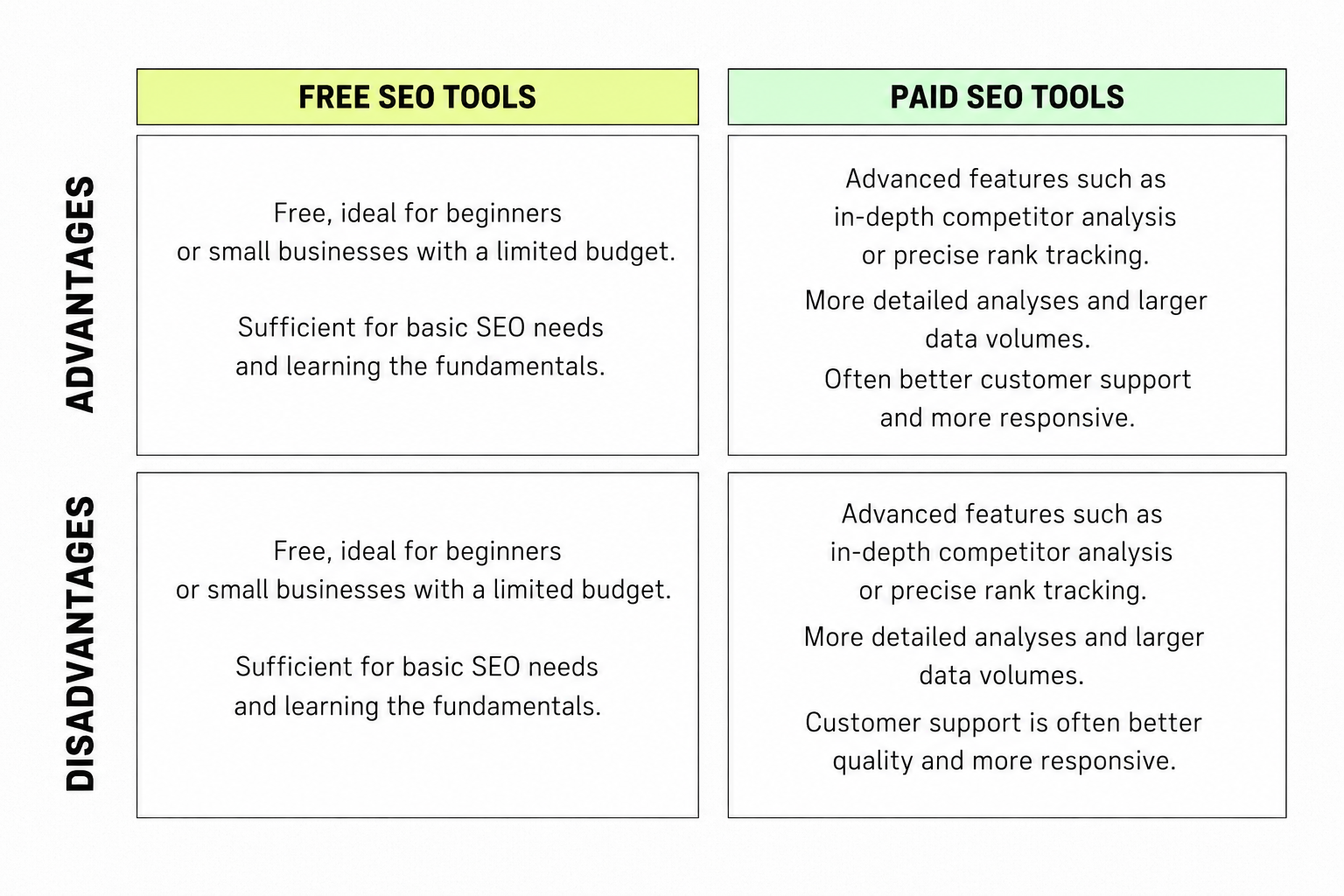
For beginners or small businesses with basic SEO needs, free tools like Google Search Console, Google Analytics, and Answer the Public provide an excellent foundation. They'll help you grasp SEO fundamentals and achieve tangible results without any upfront investment.
For growing businesses or SEO professionals looking to refine their strategy, investing in paid tools like Semrush or Ahrefs can prove extremely worthwhile.
For example, a case study published by Ahrefs showed that one e-commerce company grew its organic traffic by 116% in 4 months through strategic use of their keyword and backlink analysis tools.
Some tools like Moz Pro or SEMrush offer freemium models, providing a good balance between free features and premium options. These solutions let you test advanced features before committing to a paid subscription — ideal for businesses in transition.
User interface and learning curve are critical factors when choosing an SEO tool. Tools like SEO Hero Ninja are known for their simplicity, perfect for beginners or non-technical teams.
In contrast, tools like Screaming Frog, while powerful, may require more in-depth training or prior SEO knowledge to unlock their full potential.
Make sure the tool you choose covers all your SEO needs. Key areas to include:
Solid customer support and regular updates are essential in a field as dynamic as SEO.
Tools like Semrush and Ahrefs are known for their responsive support and frequent updates, keeping you at the forefront of the latest SEO trends.
If you're leaning toward paid tools, it's crucial to assess the return on investment. Consider metrics such as:
[rta-block=folder-cta][rta-title=h3]Want to know more about your SEO potential?[rta-title=h3][rta-btn=regular href="/prendre-rendez-vous-typeform" target=_blank]Get a free audit[rta-btn=regular][rta-block=folder-cta]
For marketplaces and e-commerce sites, certain SEO tools are particularly valuable:
For marketplaces with a physical presence, local SEO is critical. Tools like Google My Business Insights and BrightLocal help you optimize your presence in local searches, driving more in-store traffic and omnichannel sales.
A case study published by SEO.com illustrates the impact of SEO tools on a marketplace's performance.
Using a combination of Semrush for keyword analysis, Screaming Frog for technical auditing, and Yoast SEO for on-page optimization, a fashion marketplace saw its organic traffic grow by 150% in just 6 months, driving a 70% increase in sales.
Once you've chosen your tools and defined your strategy, focus on maximizing their value. Here's how:
To measure your results over time, set up a regular cadence for analyzing your SEO data.
Use tools like Google Data Studio to build custom dashboards that let you track your SEO KPIs over time. Key KPIs to monitor:
Continuously adapt your SEO strategy based on results. SEO is an iterative process requiring constant adjustment to stay effective.
In 2024, the best SEO tools are those that adapt to your specific needs while delivering accurate data and powerful features. Whether you opt for free or paid SEO solutions, the key is to use them consistently within an overarching SEO strategy.
Remember that tools, however powerful, are simply means to an end. Real SEO success comes from using them intelligently, combined with a deep understanding of organic search principles, high-quality content creation, and ongoing technical optimization of your site.
So don't wait! Start today — explore and integrate these tools into your SEO strategy, whatever your needs and goals. And feel free to visit Bulldozer's website for expert advice on growth and SEO.
Lorem ipsum

Content Marketing Manager at Bulldozer, she writes about content strategy, editorial systems and distribution.
Can't find what you're looking for ? Contact us here
jordan@bulldozer-collective.comGet access to playbooks and feedback from those who are shaping the next wave of marketing and AI.