





TL;DR
- Optimizing ad algorithms on leads with fewer than 10 employees was diluting campaign performance. Filtering those out and focusing the algorithm on higher-value leads to a change in output.
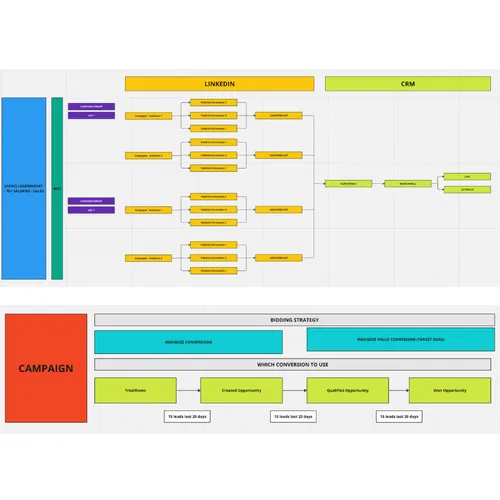
- On LinkedIn, optimizing for page views rather than conversions kept CPC artificially low while actual demo and trial request costs stayed high. The fix was to stop redirecting off-platform and restructure campaign objectives.
- Server-side GTM setup was needed to properly feed GA4 and capture conversions not directly tied to Salesforce.
- End-to-end funnel reporting and channel-specific dashboards were missing, making it hard to understand user journeys or make confident budget decisions.
Ask your favorite LLM for a summary of this page


Challenge
Evaluating performance and prioritizing the highest-impact improvements
Aircall had questions about how well their marketing was actually working. They needed an outside perspective to pressure-test their current strategy, identify what to fix, and figure out what to prioritize next.
Strategy
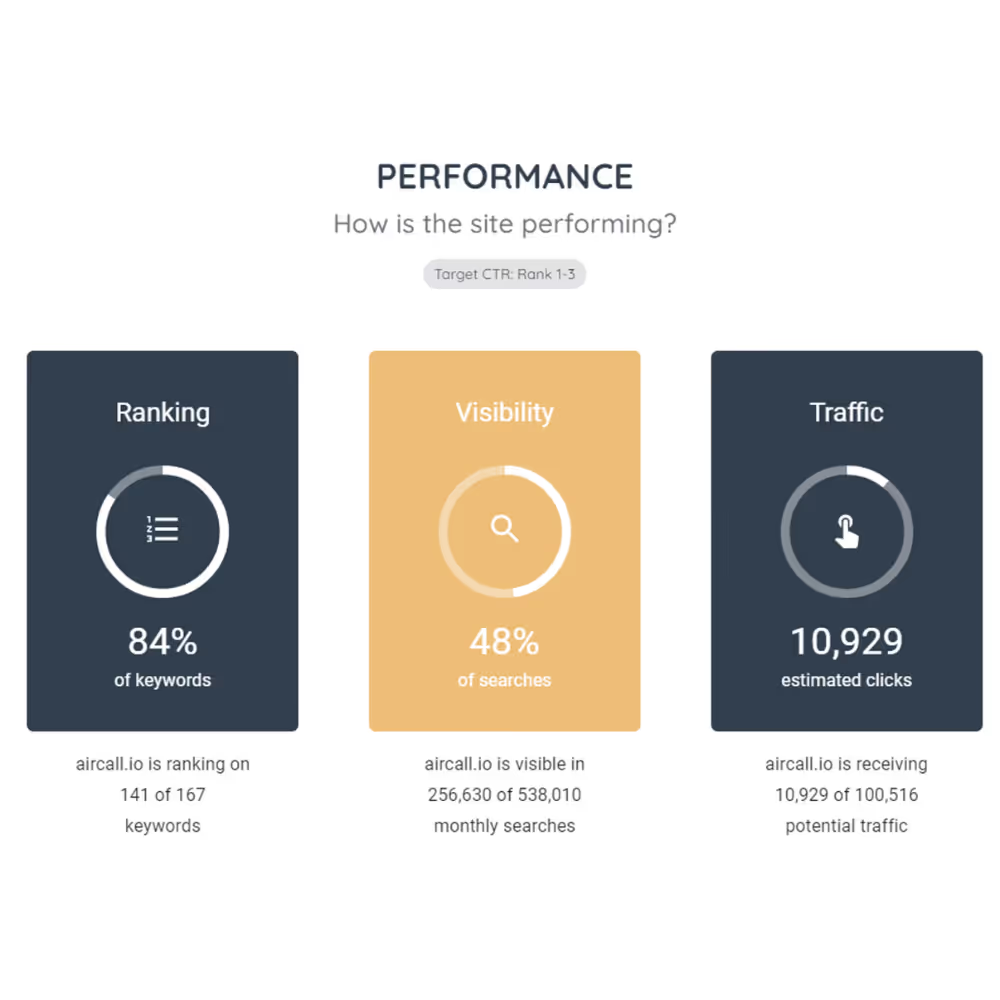
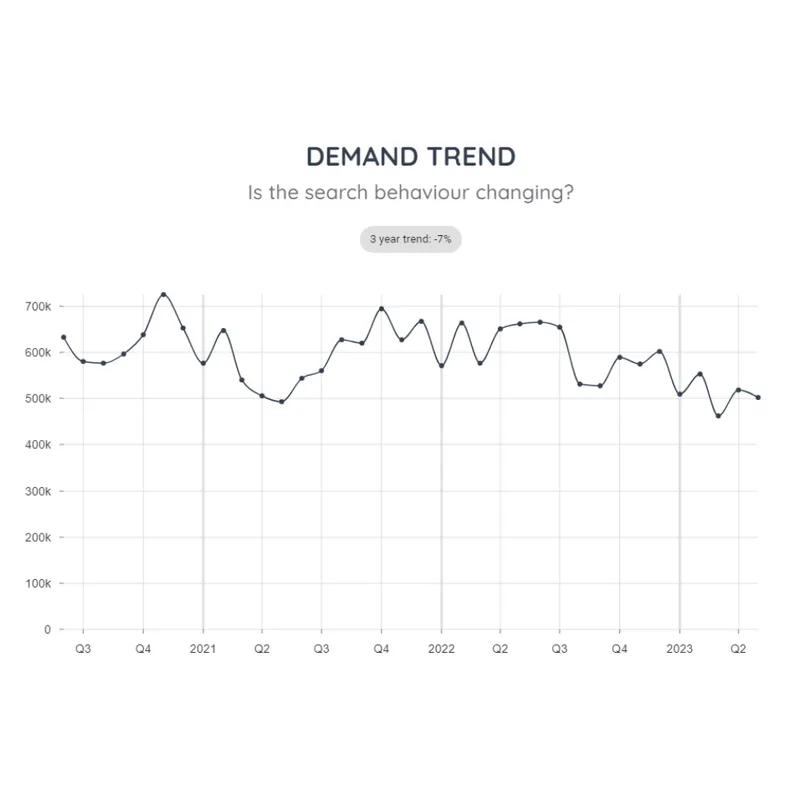
Optimization: competitor benchmarking, SEO/paid roadmap and data-driven performance analysis
- Competitor audit and benchmarking to assess Aircall's positioning.
- SEO roadmap and paid campaign planning across Google Ads, Meta, and LinkedIn.
- Performance review of existing campaigns to identify what to cut, fix, or scale.
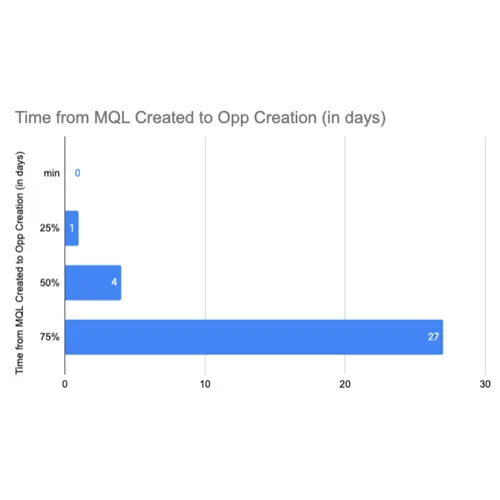
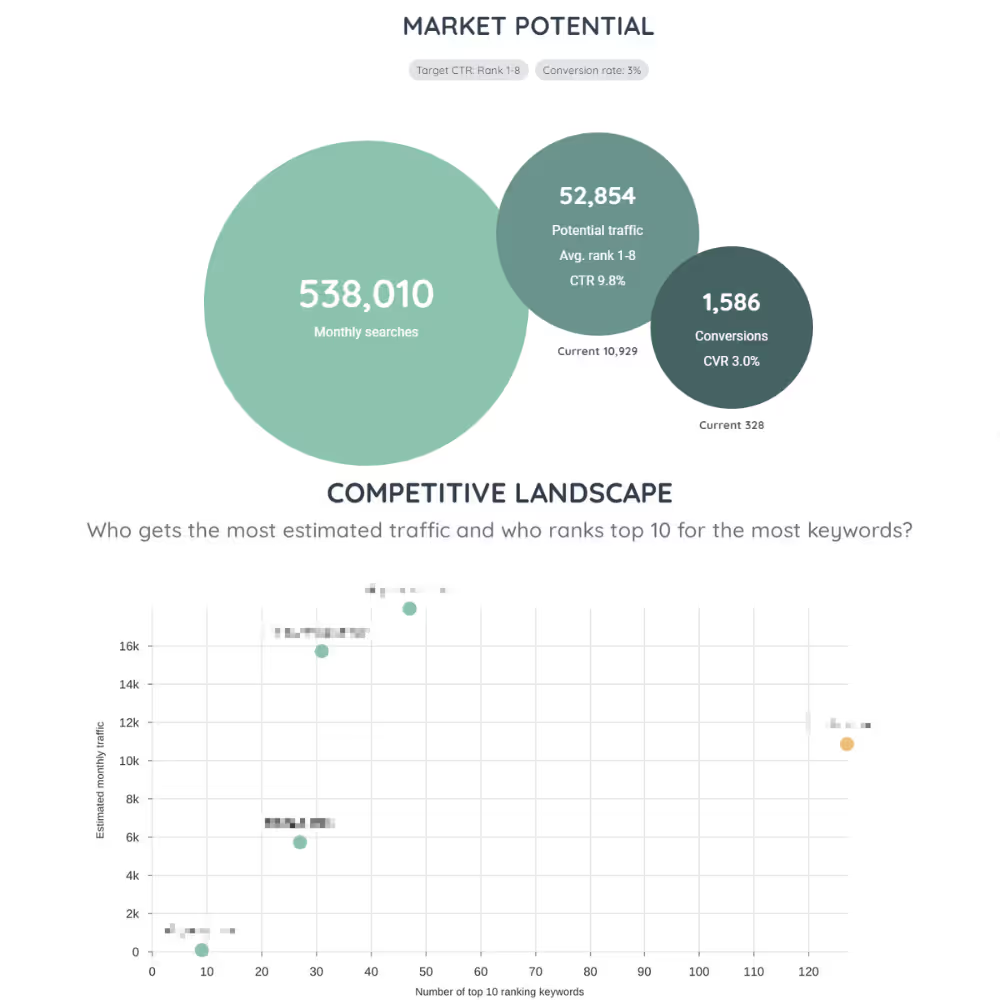
- Website and data analysis to surface actionable findings.
- Lead tracking process review and improvement.
Results
Impact: clear priorities, actionable insights and stronger data-driven decision-making
- Clear, fast findings that gave the team specific levers to act on.
- A data analysis that helped marketing justify decisions internally and improve existing processes.
- A prioritized roadmap of marketing actions.
- Better processes and more autonomy in managing what to work on next.