
Google Ads: How to Make It an Essential Lever for Your Visibility
Discover how to use Google Ads as a strategic lever to boost your online visibility and generate more qualified conversions.
Discover how to use Google Ads as a strategic lever to boost your online visibility and generate more qualified conversions.
Google Ads, formerly Google AdWords, is one of the most powerful levers for quickly generating qualified traffic, leads, and sales. But you need to understand how it works: bidding, cost per click, campaign types, quality score…
In this guide, we cut to the chase: how Google Ads works, how to create a high-performing campaign, and above all, how to optimize your results. Whether you're a B2B CMO or a marketer looking for efficiency, you'll find the keys here to get the most from Google advertising.
Launched as Google AdWords in 2000, Google Ads is today the go-to advertising platform for reaching users in the middle of a purchase intent or active search. The principle is simple: you run ads on Google (and its partners) targeting specific keywords or audiences, and you only pay when a user clicks on your ad (the CPC, or cost-per-click, model).
The goal? Quickly gain visibility, generate qualified leads, and boost sales. It's a remarkably effective tool when properly configured, especially in B2B strategies where targeting precision and return on investment are essential.
The heart of the system is an auction model. When a user performs a search, Google triggers a competition between advertisers who want to appear on the corresponding keywords. Each ad is assigned an Ad Rank, a score that determines its position in the sponsored results.
This ranking doesn't depend solely on your maximum bid — it also depends on your Quality Score. This quality score is calculated from several criteria:
The result: a well-crafted, relevant ad linked to an effective page can outrank a competitor's ad, even with a lower bid. That's the whole point of a well-optimized Google Ads campaign.
Google Ads offers several campaign formats, each suited to a specific goal:
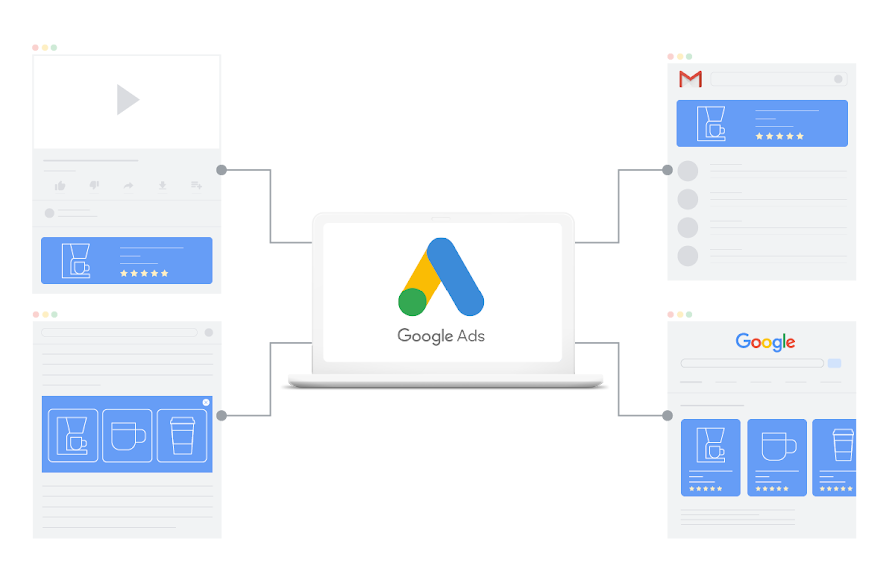
Creating a high-performing Google Ads campaign doesn't happen by chance. To avoid burning budget unnecessarily, you need solid foundations: clear objectives, a strong structure, ads that speak to the right people, and landing pages that convert. Here are the key steps.
Before launching anything, ask yourself: what is the purpose of this campaign?
Google Ads can serve several types of objectives:
A good objective is measurable, tied to a concrete action, and aligned with your sales cycle. It's what will guide your keyword choices, ad copy, and campaign types.
Google Ads is built on a hierarchical structure:
The classic mistake is mixing everything together. Better to segment: one ad group = one specific theme = consistent keywords. This lets you write tailored ads and increase your Quality Score.
Also consider match types:
Your ads must capture attention, reassure, and make people want to click. Concretely:
Also think about ad extensions, which are often overlooked:
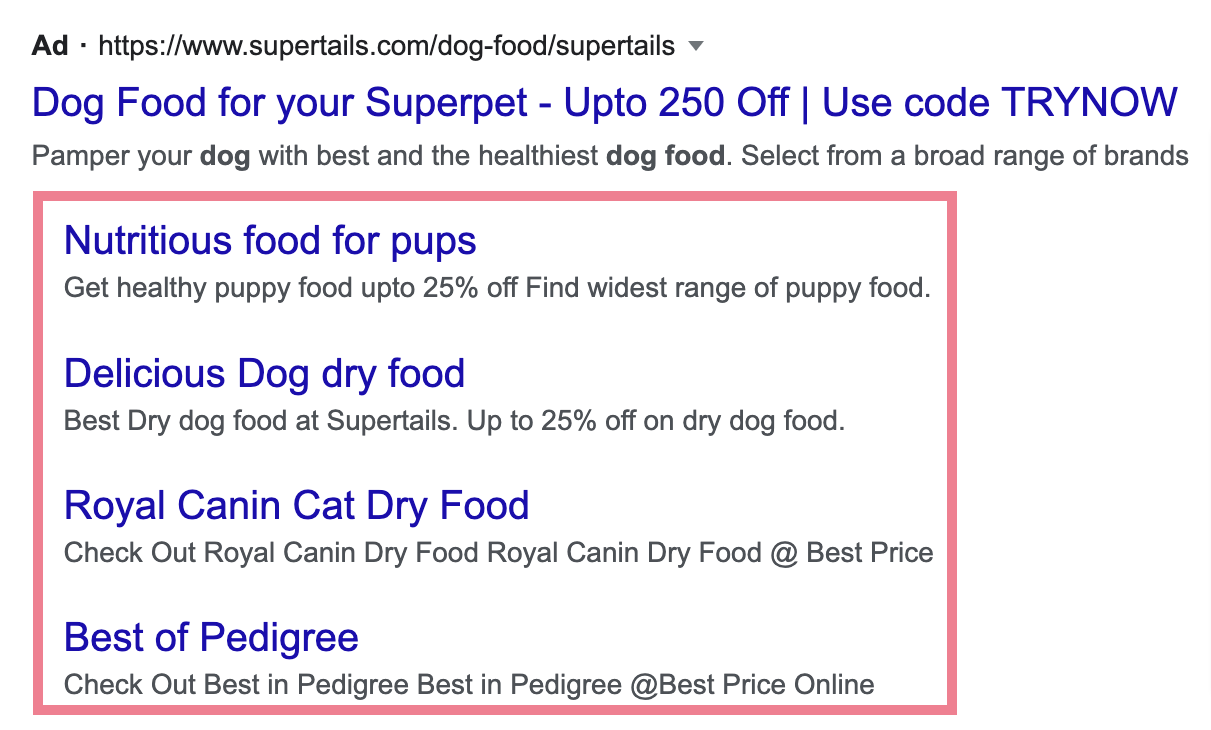
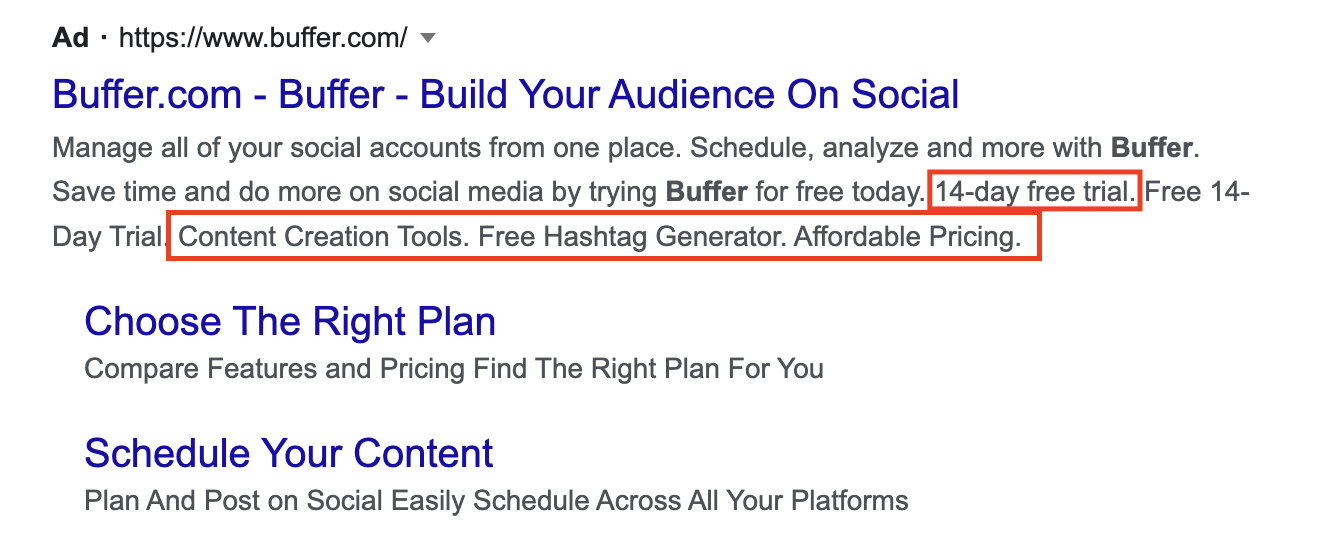
They visually enrich your ads and improve performance.
The best ad in the world is useless if the landing page doesn't deliver. Here's what it must ensure:
Working on your conversion rates is just as important as lowering your CPCs. That's often where the real ROI is made.
[rta-block=folder-cta][rta-title=h3]Want to learn more about your paid advertising potential?[rta-title=h3][rta-btn=regular]Get a Free Audit[rta-btn=regular][rta-block=folder-cta]
One of Google Ads' greatest strengths is the ability to precisely control what you spend — as long as you know what you're doing. Whether you have €500 or €50,000, the key is to manage your budget intelligently to maximize your return on investment (ROI).
On Google Ads, you set a daily budget for each campaign. Google guarantees you'll never exceed your monthly cap (approximately 30.4 times the daily budget). You can also work with a fixed monthly budget, but daily budgets remain more flexible for testing and adjusting.
It's essential to adapt your budget to performance:
Your budget should never be set in stone: it lives at the pace of your goals and results.
You can't optimize what you don't measure. To track your campaign effectiveness, install reliable conversion tracking:
Here are the key performance indicators (KPIs) to monitor:
This data lets you manage your campaigns methodically, not blindly.
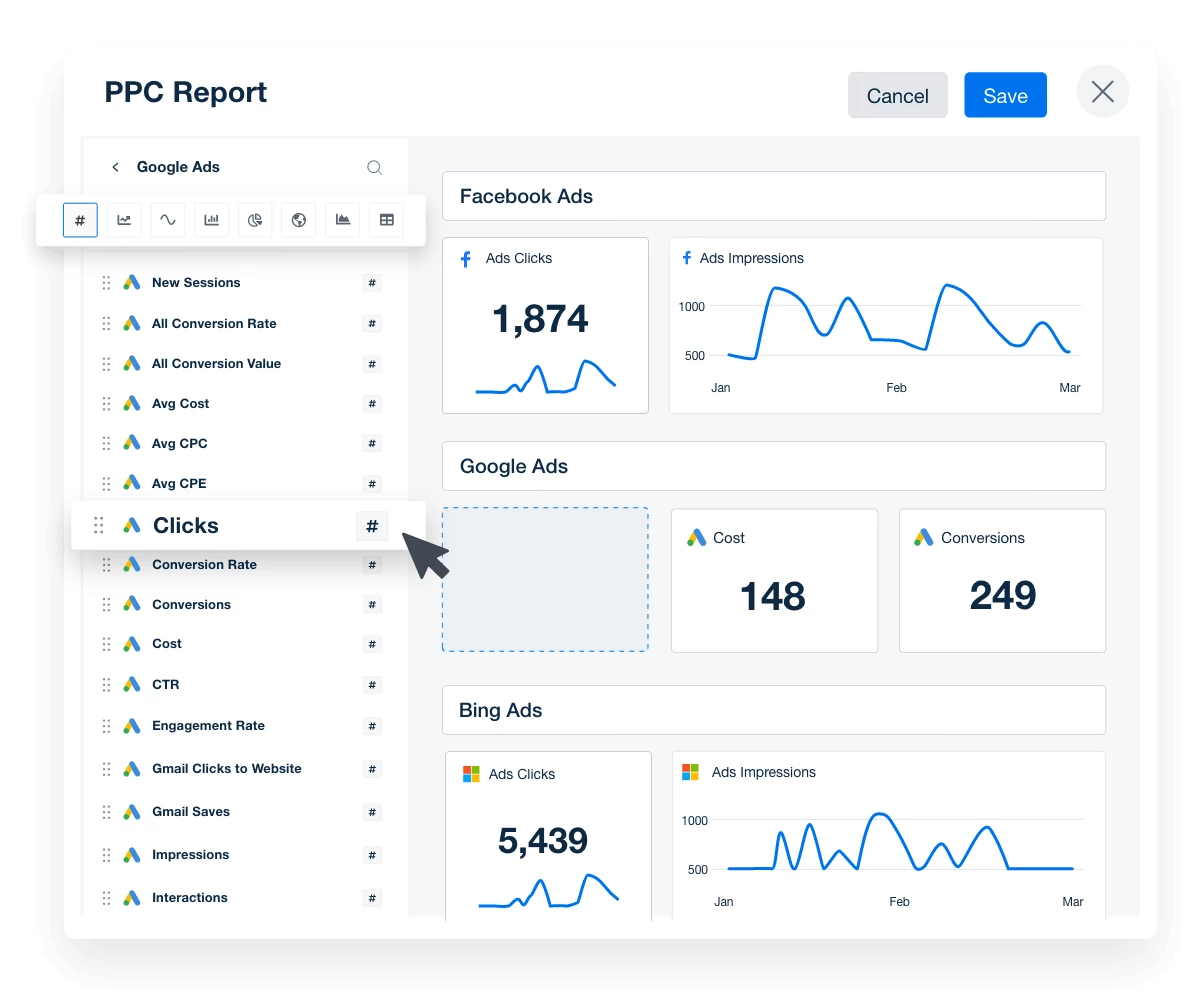
Google Ads isn't a plug-and-play tool. To perform, you need to test, compare, and adjust.
Three levers are at your disposal:
Optimization is continuous work. But it's also where the real profitability of a Google Ads campaign is made.
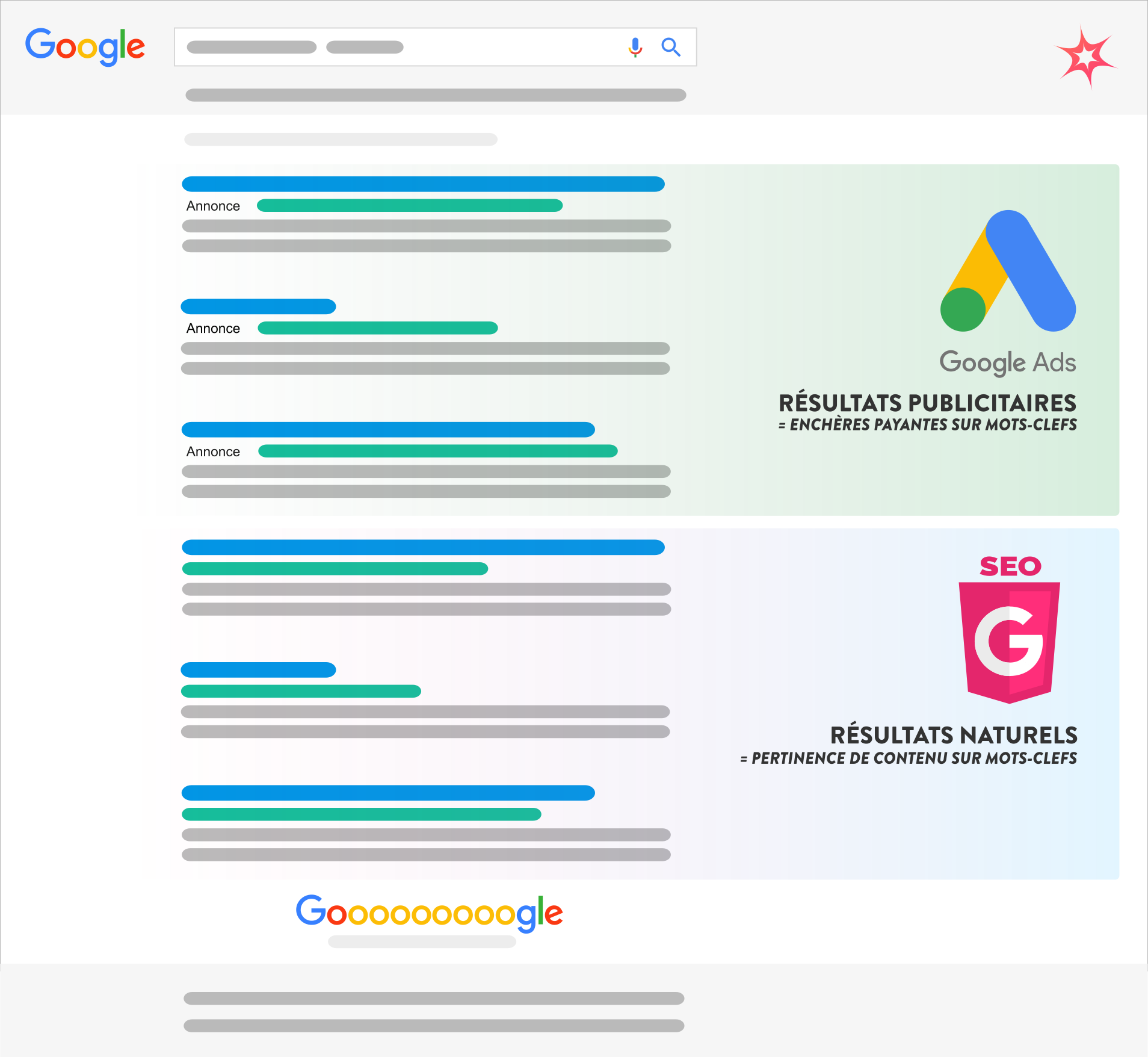
SEO (organic search) and SEA (paid search) are often pitted against each other, as if you had to choose one or the other. In reality, they are perfectly complementary — especially in B2B, where acquisition relies as much on precision as on durability.
With Google Ads, you can be visible at the top of search results as early as tomorrow, even on highly competitive keywords. You choose your keywords, control your budget, test your messaging — all with real-time data.
It's a fast, highly controllable lever, and formidable for capturing leads or launching an offer. For a product launch, event campaign, or urgent visibility need, SEA is unbeatable.
SEO is the opposite of SEA in the short term: slow to implement, but extremely profitable over time. By working on your content, backlinks, and technical site optimization, you build qualified, free, and sustainable traffic.
It's a strategic lever for:
In short, SEO requires time and consistency, but it's a solid foundation for any digital strategy.
In B2B, combining both approaches is often the best option. Here's why:
In summary: SEA and SEO are not rivals — they are two sides of an intelligent acquisition strategy.
Here are the most common pitfalls that undermine Google Ads campaign performance, and how to avoid them:
Google Ads is a powerful tool, but not a magic one. To get a real return on investment, you need to understand its mechanics, structure campaigns intelligently, and adjust continuously. Mastered well, it becomes an ultra-profitable acquisition lever, particularly in B2B, where each click can represent a real business opportunity.
Want to go further?
👉 Get your Google Ads account audited.
👉 Test a well-structured first campaign.
👉 Or entrust us with optimizing your performance.
Every euro counts. Make sure it works for you.
.jpeg)
Lorem
Can't find what you're looking for ? Contact us here
jordan@bulldozer-collective.comGet access to playbooks and feedback from those who are shaping the next wave of marketing and AI.


Lorem ipsum dolor sit amet, consectetur adipiscing elit. Suspendisse varius enim in eros elementum tristique. Duis cursus, mi quis viverra ornare, eros dolor interdum nulla, ut commodo diam libero vitae erat. Aenean faucibus nibh et justo cursus id rutrum lorem imperdiet. Nunc ut sem vitae risus tristique posuere.