
Social selling has established itself as an essential lever for B2B commercial performance. Yet between the marketing discourse and actual execution, many struggle to generate tangible results. Here are the fundamentals of an effective strategy for turning your social networks into a genuine commercial opportunity engine.
Before diving headfirst into a social selling strategy, you need to understand what's really behind this buzzword. And no — it's not simply about posting a few updates on LinkedIn to drive sales.
Social selling is the art of using social networks to build authentic relationships with prospects, earn their trust, and guide their purchasing decision.
No mass outreach here: this is about building a progressive and relevant relationship. In practice, what does that look like across platforms?
On LinkedIn, the social selling approach relies on B2B prospecting, creating high-value content, and making personalized contact with potential prospects or partners.
On Instagram, the goal is to humanize the brand, showcase behind-the-scenes activity, and build social proof through stories and posts.
On X (formerly Twitter), it's primarily about engaging in real-time conversations, sharing quick insights, and actively participating in discussions relevant to your industry.
Key takeaway: social selling isn't exclusive to LinkedIn, but LinkedIn is clearly the preferred B2B arena.
These terms are often confused, but they represent three distinct approaches:
Social marketing is primarily about building brand image. It relies on organic posts, storytelling, and branding efforts to establish a consistent, authentic presence across networks.
Social advertising aims for instant visibility. It relies on sponsored campaigns and targeted ads to quickly reach a precise audience.
Social selling seeks to generate leads through human connection. This approach relies on personalized interactions, expert content distribution, and private exchanges with prospects.
In summary: social selling is selling through relationship. You're not pushing a product — you're helping your prospect make a decision, naturally.
A few numbers that speak for themselves:
This confirms a clear trend: today, not working your social presence means cutting yourself off from the majority of opportunities.
Old-school cold calling belongs to the past. Buyers now want to:
Social selling meets these expectations by:
Modern selling starts with creating value, long before any commercial proposal.
LinkedIn is today the number one platform for B2B social selling. But stepping in without a clear strategy is like setting out on an expedition without a map. Here's how to build a solid, impactful presence.
We wrote a great article on the subject — find it here.
Your LinkedIn profile isn't just an online CV. It's your first conversion tool in your social selling strategy. Every element must be designed to build trust and give people a reason to reach out.
Essential elements to optimize:

Tip: your profile should be oriented toward your prospects' needs — not just talk about you.
Personal branding is essential to stand out on LinkedIn. It's not about being the most visible — it's about being the most recognized in your domain.
Keys to effective personal branding:
A strong personal brand creates a natural attraction effect: prospects come to you without aggressive outreach.
Social selling works even better as a team effort. Mobilizing colleagues multiplies the impact.
The "Avengers" strategy is built on three pillars:
The benefits:
Key takeaway: in a social selling strategy, the collective is an underused accelerator.
An optimized LinkedIn profile is essential. But without regular, relevant content, it will quickly fade into the background. Content is the engine of any social selling strategy — it serves to attract, qualify, and engage prospects naturally.
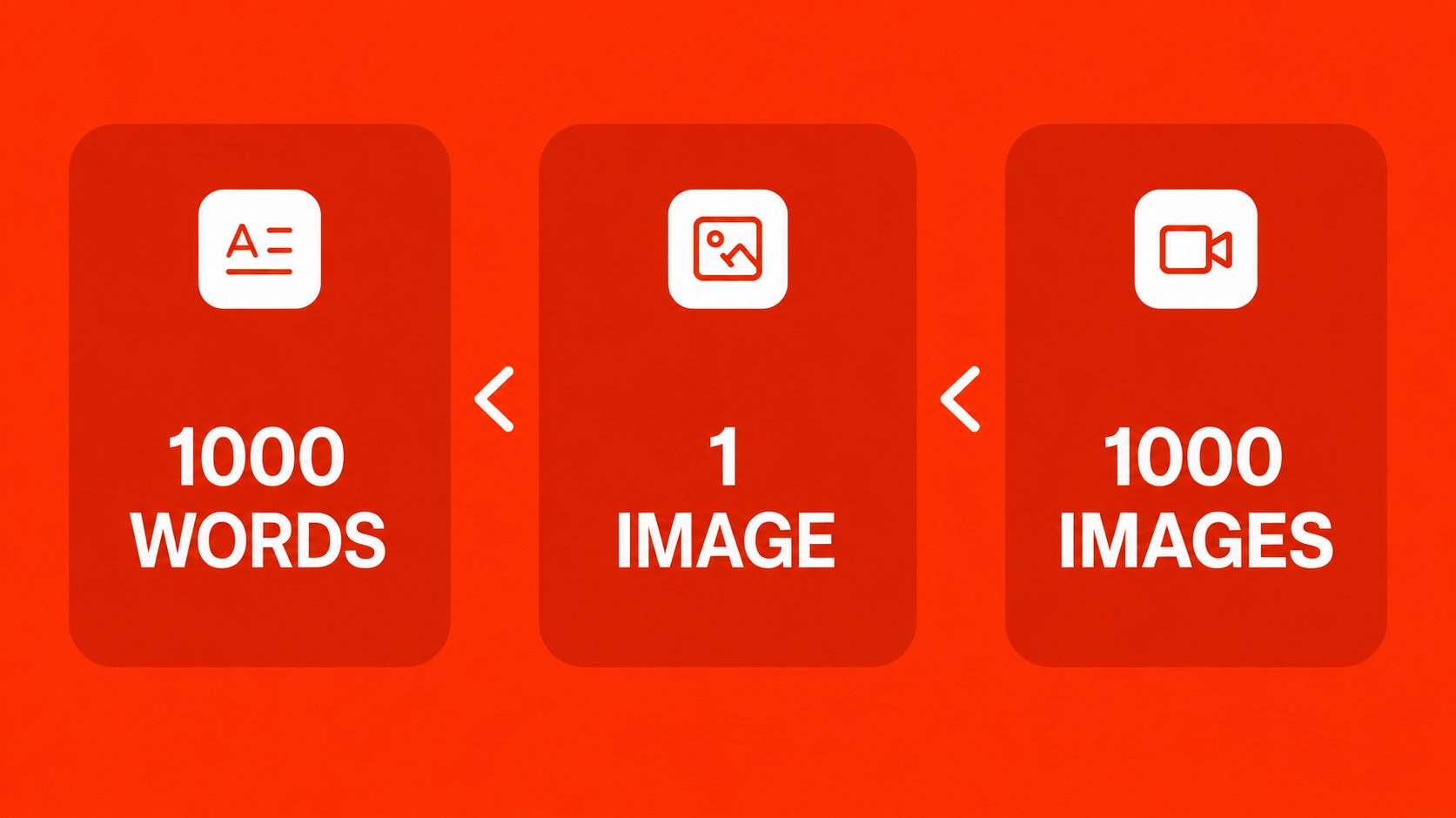
You don't need to become a professional copywriter. What matters is delivering genuine value to your audience.
The most effective formats in social selling:
Tip: prioritize consistency (at least 1–2 posts per week) over perfection.
To generate leads effectively, you need to speak to prospects at every stage of their journey. That's where the TOFU-MOFU-BOFU framework comes in:
At the TOFU (Top of Funnel) stage, the goal is to capture attention. Use free, accessible content — practical tips, trends, or useful guides — that sparks curiosity.
At the MOFU (Middle of Funnel) stage, the aim is to generate interest and qualify prospects. Client case studies, mini-courses, and webinars help build trust and gauge engagement.
At the BOFU (Bottom of Funnel) stage, the objective is to drive action. Lean on personalized offers, invitations to connect, or free audits to convert the prospect into a client.
Using TOFU-MOFU-BOFU ensures you never rush your audience: everyone advances at their own pace toward making contact.
Publishing great content isn't enough. You also need to understand how LinkedIn works to maximize your reach.
A few essential rules:
By applying these levers, your content can gain organic reach without needing paid promotion.
[rta-block=folder-cta][rta-title=h3]Want to explore your outbound growth potential?[rta-title=h3][rta-btn=regular href="/prendre-rendez-vous-typeform" target=_blank]Get a free audit[rta-btn=regular][rta-block=folder-cta]
Publishing content is essential. But to turn that engagement into real commercial opportunities, you need to structure your prospecting.
A few well-chosen tools can make all the difference — without falling into cold, impersonal automation.
Three go-to tools for supercharging your LinkedIn prospecting:
Sales Navigator lets you identify and target the right prospects. It stands out for its advanced search, activity alerts, and the ability to create segmented lists for precise follow-up.
Waalaxy automates the sending of invitations and messages on networks, particularly LinkedIn. It offers customizable campaigns and multi-channel scenarios, making large-scale prospecting management easier.
Lemlist is designed to personalize and automate prospecting email outreach. Its strengths lie in advanced personalization, CRM integration, and detailed reply tracking to optimize follow-ups.
Used intelligently, these tools allow you to scale your prospecting while maintaining a human, personalized approach.
Modern social selling goes beyond sending LinkedIn messages. It relies on targeted outreach techniques adapted to the prospect's context:
Tip: before contacting anyone, always ask yourself: "Why now? Why me? Why them?"
Turning your network into opportunities requires progressive engagement — never rushed.
A simple action plan:
Key takeaway: your goal is to start a conversation — not pitch an offer right away.
Social selling is not a "flying blind" activity. To improve, you must measure what works, adjust your actions, and align commercial efforts with marketing.
Social selling isn't a standalone strategy — it must fit within a broader marketing ecosystem.
Best practices for aligning sales and marketing:
<aside>💡
Concrete example:
Marketing creates an industry guide > Sales reps share it on LinkedIn > Engaged prospects are tracked in the CRM > Conversations are personalized based on demonstrated interest.
</aside>
This synergy boosts prospecting efficiency while reinforcing the company's expert image.
To steer your social selling strategy, prioritize monitoring:
A monthly review helps you quickly identify the most effective content, targets, and actions.
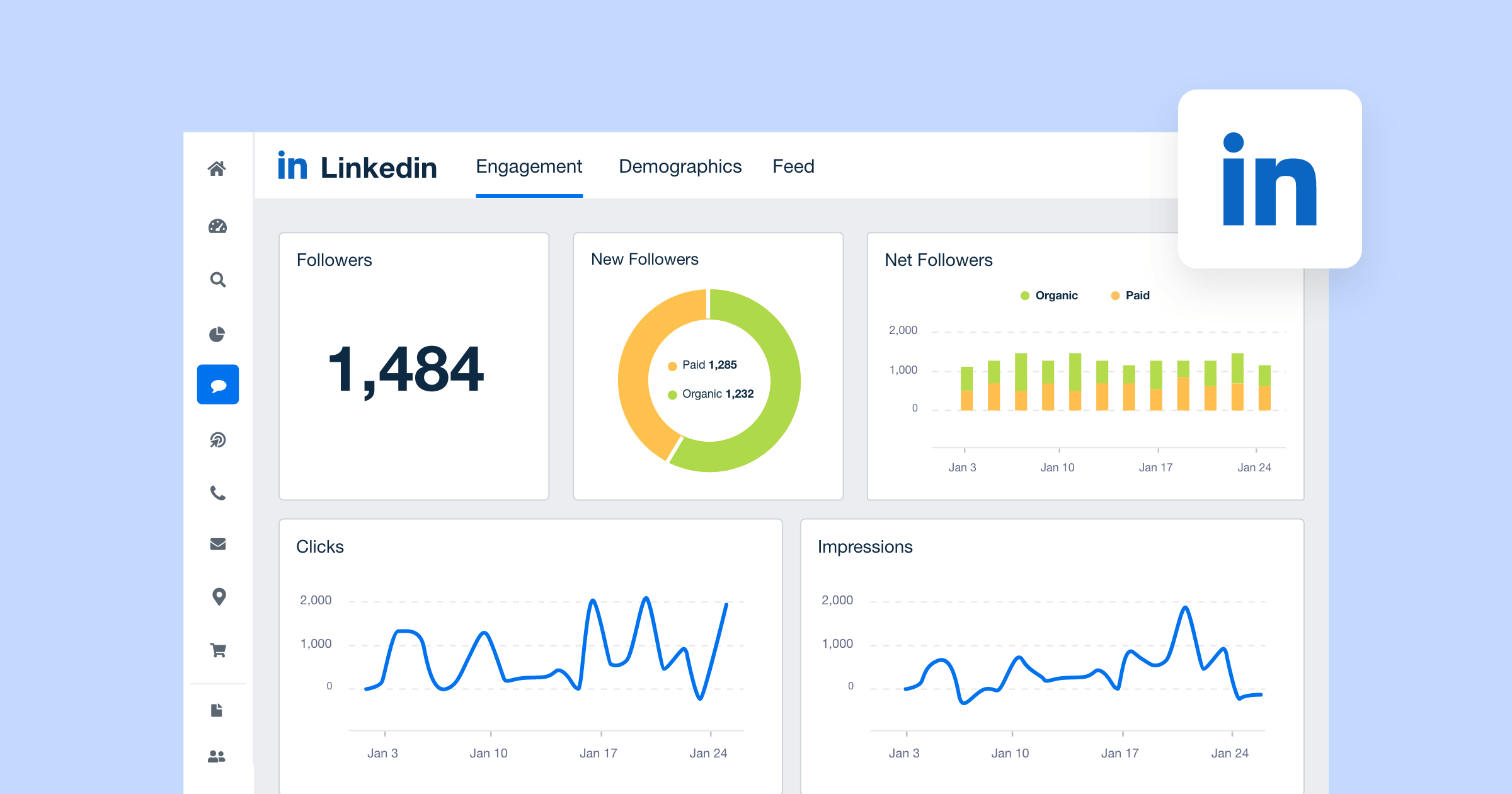
LinkedIn provides a free indicator specifically designed to measure your social selling activity: the Social Selling Index (SSI).
It evaluates performance across four criteria:
The first criterion is building your professional brand, which involves optimizing your profile and publishing content that regularly showcases your expertise.
The second criterion is finding the right people — using advanced searches and precise targeting to identify the most relevant prospects or partners.
The third criterion is engaging with insights: sharing relevant, engaging content that sparks conversation and reinforces credibility.
The fourth and final criterion is building strong relationships, measured by your invitation acceptance rate and the quality of the exchanges you have within your network.
An SSI above 70 signals strong social credibility in your field.
Complement this analysis with qualitative feedback:
Listening to your audience is how you continuously sharpen your strategy.
Social selling isn't the future of prospecting — it's the present.
Building your presence, publishing content that matters, starting authentic conversations… all of this is within your reach.
Start small, stay consistent, measure what works, fix what doesn't.
That's how you turn LinkedIn (and social media) into a genuine qualified lead engine.
Over to you.
Lorem ipsum
.jpeg)
Writer at Bulldozer, he covers web scraping, UGC and no-code, mixing data, storytelling and SEO.
Can't find what you're looking for ? Contact us here
jordan@bulldozer-collective.comGet access to playbooks and feedback from those who are shaping the next wave of marketing and AI.